
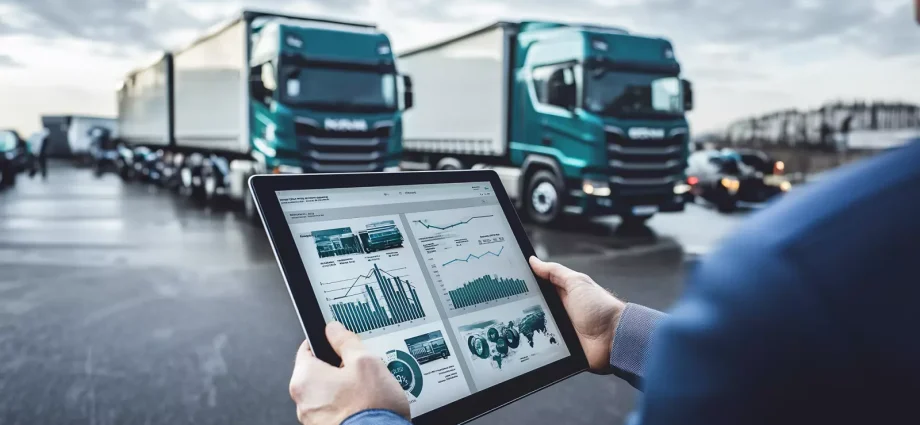
Shipping products to customers changed completely over the past decade. Stores used to hold inventory where people could walk in and buy. Now businesses ship directly from warehouses to individual homes. Transportify parcel delivery for businesses made this shift possible through their networks. Small shops can use the same logistics that huge corporations use. Customers expect tracking and fast delivery on everything they order. Various shipping speeds and options fit different business needs. These services became mandatory partners instead of optional extras for growing companies.
Last-mile delivery infrastructure
- Urban coverage networks
Cities need extensive delivery networks reaching every neighbourhood. Parcel companies maintain trucks and facilities positioned throughout metro areas. Routes run multiple times daily, giving businesses frequent shipping opportunities. Drivers learn their territories by navigating congested streets efficiently. Recent additions include lockers and pickup spots, offering customers delivery alternatives.
- Rural area accessibility
Remote locations present different challenges than dense cities face. Longer distances and fewer stops make each package more expensive to deliver. Services balance profits with comprehensive coverage, maintaining access everywhere. Regional centres consolidate packages before final trips to distant areas. Local carrier partnerships extend reach into communities that major carriers can’t serve economically.
Flexible service tier options
Different products need different shipping approaches based on urgency and value. Economy shipping offers cheap rates for patient customers. Standard delivery balances cost and timing for regular orders. Express options handle situations needing guaranteed faster arrival. Overnight and same-day services cover truly urgent situations. Businesses pick service levels matching their products and customer expectations. Expensive items justify premium shipping costs easily. Cheap commodity goods require economical delivery to stay competitive. Busy seasons get handled through service mix changes. Flexibility means you never get stuck choosing between speed and affordability alone.
Returns management support
Products come back sometimes, no matter how good they are. Parcel services make returns easy through prepaid labels and pickup scheduling. Customers start returns without driving to shipping locations. Businesses receive items back quickly for inspection and restocking. Smooth returns keep customers happy despite product problems. Returns involve several moving parts working together. Electronic label generation cuts administrative work substantially. Tracking shows return progress, keeping businesses informed about incoming items. Package condition notes protect against false damage claims. Combining multiple returns into single shipments reduces transportation costs. Quick processing improves cash flow, getting inventory back on shelves faster.
International shipping capabilities
Selling overseas means dealing with customs paperwork and foreign logistics. Parcel services handle documentation and compliance that businesses find confusing. Customs expertise prevents delays from form mistakes. Duties and taxes get calculated and collected, simplifying cross-border sales. Tracking continues working despite packages crossing multiple countries. Businesses reach global customers without opening foreign offices. International rates make overseas shipping financially viable for most products. Transit times become predictable, enabling accurate customer communication. Guidance on restricted items prevents shipment rejections. These capabilities let businesses of any size sell internationally.
Parcel delivery services provide crucial infrastructure for modern business distribution. Network reach, technology connections, service variety, returns handling, international access, and volume pricing all matter. Businesses use these services to compete effectively without building massive logistics operations themselves. Reliable delivery separates successful companies from struggling ones in competitive markets today.
Comments are closed, but trackbacks and pingbacks are open.