
 By
By 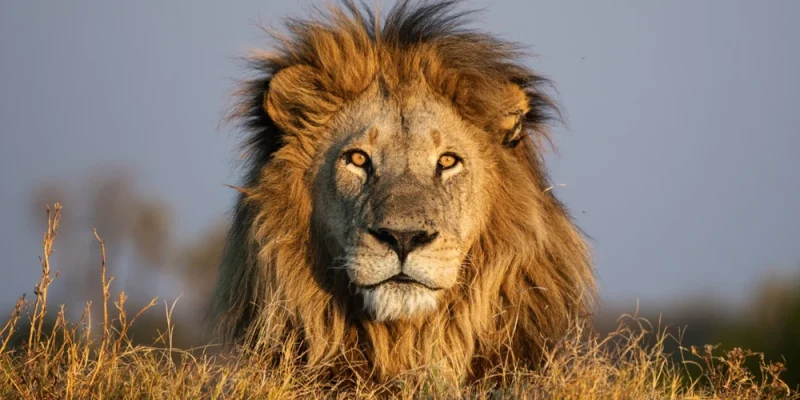
A big five safari is one of the classic African travel dreams. For readers of traveltripchamps.com, it offers a clear goal, unforgettable wildlife, and the kind of adventure that rewards both planning and patience.
The Big Five traditionally refers to lion, leopard, elephant, rhino, and buffalo. World Adventure Tours lists several safari options built around Big Five viewing, including Tanzanian itineraries and premium wildlife routes. Seeing all five is never guaranteed, but choosing the right destination, season, and guide can greatly improve the experience.
Why the Big Five Became Famous
The term Big Five originally came from hunting history, where these animals were considered difficult and dangerous to pursue. Today, the phrase is mostly used for photography and wildlife tourism. The focus has shifted from conquest to observation, conservation, and appreciation.
Each animal brings something different to a safari. Lions are social and dramatic. Leopards are elusive and often seen resting in trees. Elephants are intelligent, emotional, and impressive in family groups. Rhinos are powerful and increasingly rare. Buffalo may look calm, but they are strong, alert, and unpredictable.
Best Places for a Big Five Safari
Several African countries offer strong Big Five opportunities. Tanzania is popular because travelers can combine areas such as the Serengeti, Ngorongoro Crater, and Tarangire. Kenya’s Maasai Mara is also famous for big cats and wide savanna landscapes. South Africa, Botswana, Namibia, and Uganda can also offer excellent wildlife experiences depending on the route.
The best choice depends on budget, travel dates, accommodation style, and whether the traveler wants a private, group, luxury, or value-focused safari. Some people want maximum wildlife time. Others want to combine safari with beaches, hiking, or cultural experiences.
What a Safari Day Looks Like
A typical safari day starts early. Morning drives can be productive because predators may still be active and temperatures are cooler. After a midday break, afternoon drives offer another chance to see animals moving before sunset.
Guides play a major role. They read tracks, understand animal behavior, communicate with other guides, and position the vehicle respectfully for viewing and photography. A skilled guide can turn even a quiet drive into a rich lesson about the ecosystem.
Managing Expectations
A Big Five safari is exciting, but wildlife is wild. Animals move freely, weather changes, and sightings vary from day to day. It is possible to see all five on one trip, but travelers should avoid treating the safari like a checklist only.
Some of the most memorable moments may involve animals outside the Big Five: cheetahs, giraffes, zebras, hippos, hyenas, wild dogs, birds, or wildebeest migration scenes. Landscapes and local culture also add depth to the journey.
Responsible Big Five Travel
Responsible safari travel protects both animals and communities. Travelers should choose operators that follow park rules, avoid crowding wildlife, support conservation, and treat local staff fairly. Guests should listen to guides, stay in the vehicle when required, and avoid pressuring drivers to get too close.
Photography should never come before animal welfare. A respectful distance often leads to better natural behavior and a safer experience for everyone.
Conclusion
A Big Five safari is popular for good reason. It brings travelers close to some of Africa’s most iconic wildlife and landscapes. The best trips combine smart planning, patient viewing, expert guiding, and responsible travel habits. With the right approach, the goal is not just to see five animals, but to understand the wild places that make them possible.











Comments